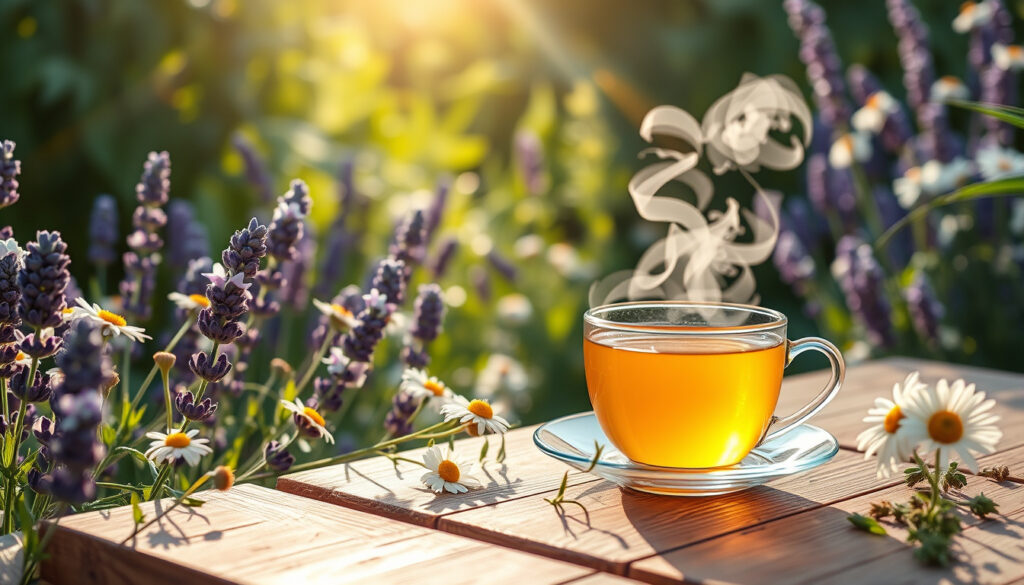
How to Reduce Anxiety Naturally: Proven Tips & Remedies
When anxiety spikes, your body locks into fight-or-flight — racing pulse, shallow breath, that knot in your stomach that won’t loosen. Research-backed natural techniques, from specific breathing patterns to herbal remedies with centuries of use behind them, offer real tools for the moments when stress takes hold.
Top herbal teas for anxiety: chamomile, hawthorn, lemon balm, linden, valerian, passionflower · Recommended sleep duration: 7–8 hours per night · Key mindfulness benefits: reduce anxiety, improve concentration · Psychotherapy approach: cognitive-behavioral therapy
Quick snapshot
- Herbal teas like chamomile reduce anxiety per pharmacy sources (West Hartford Holistic Counseling)
- Cognitive-behavioral therapy effective without drugs (Medical News Today)
- Chamomile used as anxiety remedy for centuries (Healing Breaths)
- 2016 trial: chamomile for Generalized Anxiety Disorder (West Hartford Holistic Counseling)
- Breathing techniques showing measurable blood pressure impact
- Growing clinical validation of herbal anxiolytics
The table below consolidates key data points on anxiety interventions and their physiological effects.
| What to know | Details |
|---|---|
| Strongest natural calmers | Valerian, passionflower, lemon balm |
| Anxiety symptom: nausea | Linked to stress response |
| Blood pressure trigger | Acute stress from anxiety |
| Vitamin linked to anxiety | Vitamin D deficiency |
| Deep breathing effect | Lowers heart rate and blood pressure |
| Exercise duration | 30 minutes of moderate to vigorous activity |
What calms anxiety immediately?
When anxiety spikes, your body is locked in fight-or-flight mode — shallow breathing, racing thoughts, tension that seems to settle in every muscle. Two techniques cut through that cycle fast.
Breathing exercises
- The 4-7-8 technique: inhale for 4 seconds, hold for 7, exhale for 8. This pattern slows the heart rate and triggers the relaxation response, according to Lexington Spinal Care (a chiropractic wellness clinic).
- Alternate nostril breathing for 30 minutes daily lowers stress levels, heart rate, blood pressure, and improves lung function, reports the British Heart Foundation (a leading cardiovascular health organization).
- Deep breathing lowers heart rate and blood pressure, preventing strain on the heart during stress, per the British Heart Foundation.
- Michigan Medicine recommends inhaling deeply through the nose, holding, then exhaling slowly through the mouth to break the anxiety cycle, according to West Hartford Holistic Counseling (a holistic therapy practice).
For people in high-stress moments, breathing exercises require no equipment and work in under a minute. The catch: consistency matters. One session helps; daily practice reshapes your baseline stress response.
5-4-3-2-1 grounding technique
This sensory anchoring method pulls attention away from anxious thoughts by engaging each sense deliberately:
- Name 5 things you can see around you
- Touch or identify 4 things you can physically feel
- Note 3 sounds in your environment
- Identify 2 smells nearby
- Notice 1 taste or sensation in your mouth
This technique works because anxiety lives in the future (catastrophizing, worrying) while the 5-4-3-2-1 method anchors you in the present moment. AARP notes that controlled breathing directly assists in managing hypertension caused by stress.
The 5-4-3-2-1 technique offers immediate relief without requiring any herbs, supplements, or equipment — making it accessible anywhere anxiety strikes.
Why does anxiety raise blood pressure?
Anxiety doesn’t just feel unpleasant — it triggers measurable physiological changes that affect your cardiovascular system. Understanding the mechanism helps you take the right interventions seriously.
Stress and hypertension link
When you feel threatened (whether from a real deadline or an imagined catastrophe), your adrenal glands release cortisol and adrenaline. These hormones narrow blood vessels and increase heart rate — the same biological sequence that helped our ancestors escape predators. In modern life, that same response activates over traffic jams, work emails, and chronic worry.
Deep breathing counteracts this by activating the parasympathetic nervous system, which tells your body “the threat has passed.” The British Heart Foundation notes that breathing exercises lower heart rate and blood pressure, preventing strain on the heart during stress.
Recognizing stress-induced high blood pressure
- Temporal headache or pressure behind the eyes
- Rushing or whooshing sound in ears
- Shortness of breath without physical exertion
- Chest tightness that mimics cardiac symptoms
The implication: if you can reduce anxiety, you directly reduce the cardiovascular load that sustained stress creates. AARP reports that breathing exercises like box breathing and the 4-7-8 method assist in controlling hypertension.
What is the best natural remedy against anxiety?
Herbal remedies have centuries of traditional use and increasingly, clinical validation. Here’s what the evidence supports.
Herbal teas and supplements
Chamomile leads the evidence base. A 2016 randomized clinical trial found it reduces anxiety symptoms for Generalized Anxiety Disorder, according to West Hartford Holistic Counseling. A 2018 trial further suggests chamomile alters cortisol levels — the stress hormone — reducing anxiety, reports Medical News Today (a health research publication).
- Valerian root: reportedly aids sleep and reduces stress as a natural sleep aid, per Lexington Spinal Care.
- Passionflower: reportedly reduces anxiety symptoms and promotes relaxation and better sleep, according to Healing Breaths (a holistic wellness resource).
- Lemon balm: has a mild sedative effect, alleviating stress and anxiety, per Healing Breaths.
- Lavender: a 2018 study shows it reduces anxiety levels and improves sleep quality, reports West Hartford Holistic Counseling.
Herbal supplements require doctor consultation due to potential drug interactions, warns Medical News Today. If you take prescription medications, check before adding any herbal remedy.
The pattern: while herbal remedies show promise, their potency varies by preparation method, and regulatory oversight differs from pharmaceutical standards.
Strongest natural anxiolytics
Based on available evidence, these rank highest:
- Chamomile — strongest clinical evidence (2016 and 2018 trials)
- Lavender — 2018 study confirming anxiety reduction and sleep improvement
- Passionflower — sleep and relaxation benefits
- Holy basil (tulsi) — lowers anxiety and stress, reducing cortisol levels per one study, per GoodRx (a healthcare platform). Holy basil is a staple in Ayurveda, ancient Indian medicine.
- Magnesium — an OTC remedy with promising research for easing anxiety, per GoodRx.
- Kava kava — reportedly shows promise for anxiety relief among OTC herbal remedies, per GoodRx.
Aromatherapy with bergamot, lavender, and clary sage reportedly reduces heart rate and blood pressure, per West Hartford Holistic Counseling.
Why does anxiety cause nausea?
That queasy feeling when anxiety peaks isn’t imaginary — it’s wired into your nervous system. The gut and brain communicate directly through the vagus nerve, and during stress, that communication accelerates.
Causes of anxiety-induced vomiting
Anxiety triggers nausea through several mechanisms:
- Vagus nerve activation: the same nerve that slows heart rate also affects digestive function
- Cortisol spike: stress hormones disrupt normal gut motility
- Hyperventilation: breathing too fast or shallow can cause nausea
- Muscle tension: anxiety tightens abdominal muscles, creating discomfort
Natural relief methods
Ginger tea and peppermint are traditional remedies for nausea and may help when anxiety is the trigger. Deep breathing (particularly the 4-7-8 method) reduces the physical symptoms by lowering cortisol levels. If nausea persists without anxiety relief, Medical News Today suggests consulting a healthcare provider to rule out other causes.
Anxiety-related nausea typically resolves when the anxiety episode passes. Persistent nausea with anxiety warrants professional evaluation to distinguish stress-induced symptoms from other conditions.
How to lower blood pressure from anxiety?
Managing anxiety-induced blood pressure spikes means combining immediate techniques with longer-term lifestyle adjustments.
Techniques for immediate relief
- 4-7-8 breathing: inhale 4 seconds, hold 7, exhale 8 — repeat 3–4 cycles
- Alternate nostril breathing: 30 minutes daily reportedly lowers stress levels and blood pressure, per the British Heart Foundation
- Box breathing: inhale 4 seconds, hold 4, exhale 4, hold 4 — repeats
- Grounding: the 5-4-3-2-1 technique interrupts the anxiety cycle before it escalates
Breathing techniques work fast — within 30 seconds to 2 minutes. But they require conscious practice during moments when anxiety makes focus difficult. The solution: practice these techniques daily when calm so they become automatic under stress.
Lifestyle adjustments
- 30 minutes of moderate to vigorous exercise: releases endorphins, reducing anxiety and depression, per GoodRx (a healthcare platform). High-intensity exercise may be more effective than low-intensity for anxiety reduction, according to Medical News Today.
- Yoga: calms the nervous system via deep breathing and relaxation poses, reducing anxiety, per GoodRx.
- Sleep: 7–8 hours per night supports cortisol regulation
- Progressive muscle relaxation: alleviates unconscious muscle tension from anxiety, per Medical News Today.
How to reduce anxiety: your action plan
Five concrete steps, from immediate to ongoing, backed by research:
- Practice 4-7-8 breathing — inhale for 4 seconds, hold for 7, exhale for 8. Do this at least twice daily, and whenever anxiety spikes. Sources: Lexington Spinal Care, British Heart Foundation
- Try alternate nostril breathing for 30 minutes daily to lower stress levels and blood pressure. Sources: British Heart Foundation
- Incorporate calming herbs — chamomile tea daily has clinical backing; valerian and passionflower support sleep and relaxation. Consult your doctor first if you take medications. Sources: Medical News Today, West Hartford Holistic Counseling, GoodRx
- Move your body — 30 minutes of moderate to vigorous exercise releases endorphins and reduces anxiety. High-intensity may outperform low-intensity. Sources: GoodRx, Medical News Today
- Establish sleep and mindfulness routines — 7–8 hours nightly, yoga or progressive muscle relaxation before bed. Sources: GoodRx, Medical News Today
Cognitive-behavioral therapy (CBT) remains the gold standard for anxiety management without medication, per Medical News Today. If natural techniques aren’t sufficient relief, seeking a therapist trained in CBT is the evidence-based next step.
Expert perspectives on natural anxiety relief
“For many people, breathing exercise is an easy way to reduce stress,” says Ni-Cheng Liang, M.D., integrative pulmonologist.
— AARP
Research shows that doing regular alternate nostril breathing for 30 minutes a day can lower your stress levels.
— British Heart Foundation (cardiovascular health organization)
Key takeaways
Chamomile has the strongest clinical evidence for anxiety reduction, with trials in 2016 and 2018 supporting its use. Breathing techniques — specifically the 4-7-8 method and alternate nostril breathing — directly lower blood pressure and interrupt anxiety cycles. Herbal remedies like passionflower, valerian, and lemon balm offer additional support, though they require medical consultation if you’re on other medications. Exercise, sleep, and mindfulness form the lifestyle foundation that makes all other interventions work better.
Related reading: natural remedies for eye bags
Distinguishing anxiety attack symptoms from heart attack signs proves essential when sudden anxiety surges, enabling faster application of proven natural calming techniques.
Frequently asked questions
How to calm nighttime anxiety?
Establish a calming bedtime routine: herbal tea (chamomile or passionflower), progressive muscle relaxation, 4-7-8 breathing before sleep, and 7–8 hours of sleep in a cool, dark room. Avoid screens 1 hour before bed and limit caffeine after noon.
What are grandma’s remedies for anxiety?
Traditional remedies include chamomile tea (used for centuries), lavender aromatherapy, valerian root for sleep, and warm baths with Epsom salts. Many have now gained clinical validation.
What tricks calm anxiety fast?
The 4-7-8 breathing technique works within seconds. The 5-4-3-2-1 grounding technique engages your senses to pull focus from anxious thoughts. Cold water on your face or wrists can also trigger the dive reflex, slowing your heart rate.
How to overcome anxiety and fear?
Cognitive-behavioral therapy (CBT) is the gold standard for treating anxiety without medication, per Medical News Today. Combined with breathing techniques and lifestyle changes, CBT helps retrain your brain’s response to feared situations.
What vitamin helps with anxiety?
Vitamin D deficiency has been linked to anxiety. Magnesium shows promising research for easing anxiety per GoodRx. B vitamins also support nervous system function. Consult a healthcare provider before starting supplements.
Are there natural drops for stress?
Several herbal tinctures and supplements are marketed for anxiety and stress, including passionflower drops, valerian root drops, and holy basil (tulsi) preparations. Evidence quality varies; check for third-party testing and consult your doctor about interactions.
How does stress cause high blood pressure?
Stress triggers cortisol and adrenaline release, which narrow blood vessels and increase heart rate. This acute response, repeated chronically, can contribute to elevated blood pressure. Deep breathing and mindfulness interrupt this cycle, per the British Heart Foundation.
More related posts
 Dave’s Hot Chicken Menu – Prices, Heat Levels and Combos
 Biscuits and Gravy Recipe – Easy Southern Classic
 Leo Woodall Movies and TV Shows: Full Filmography
 Philippians 4:13: Meaning, Context & Misunderstandings Explained
 Bengals vs Pittsburgh Steelers Match Player Stats – Key Leaders Breakdown
 Brazilian Restaurant Near Me: Ireland’s Top Spots in Dublin & More
 In the Shadow of the Moon – Plot, Ending and Time Travel Guide
 Bolongo Bay Beach Resort – St. Thomas All-Inclusive Beach Guide
